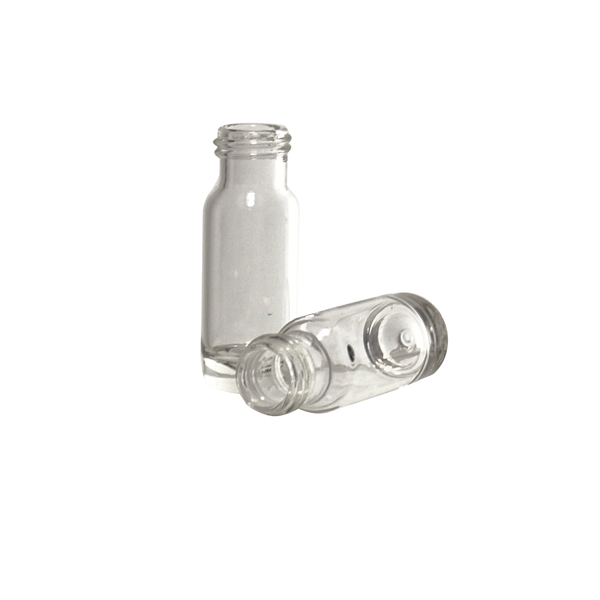
1,5 ml high recovery vial with flat base and 9-425 screw thread. Made of borosilicate glass LBG 3.3. Suitable for very valuable samples, maximum retrieval of the sample guaranteed. Available in clear glass and amber glass
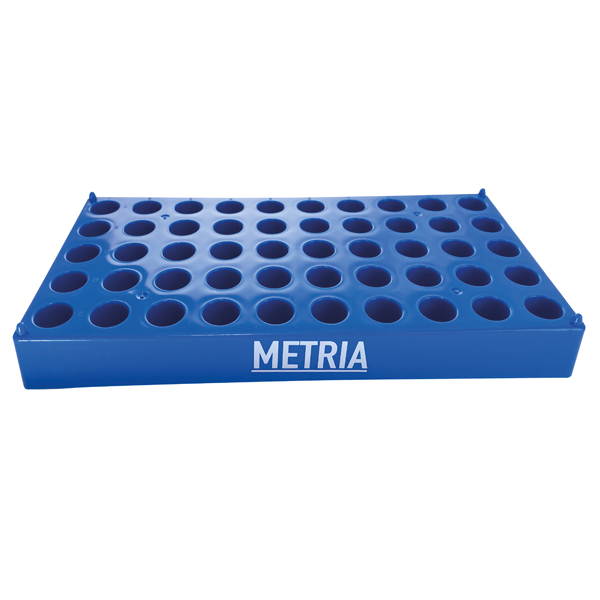
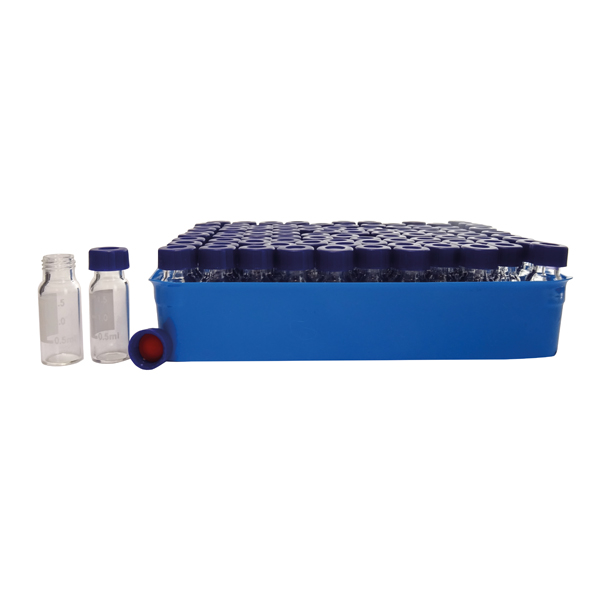
Preassembled kit of 2 ml UltraClean vials + polypropylene screw caps (9-425). Special for contamination-free sampling and sensitive testing, it is widely used for GC-MS, LC-MS and MS-MS as well as being a good solution for avoiding ghost peaks in chromatography. In the “pre-slit” model, the septum is pre-pierced for optimal injection. Vials have a flat bottom, writing area. Available in clear glass and amber glass. Each kit has its own certificate
Dual-position PE cap; loose position for aerobic work or sealed for anaerobic cultures. Sterilized by gamma radiation. Individual peel-pack. Certificate of sterilization available here
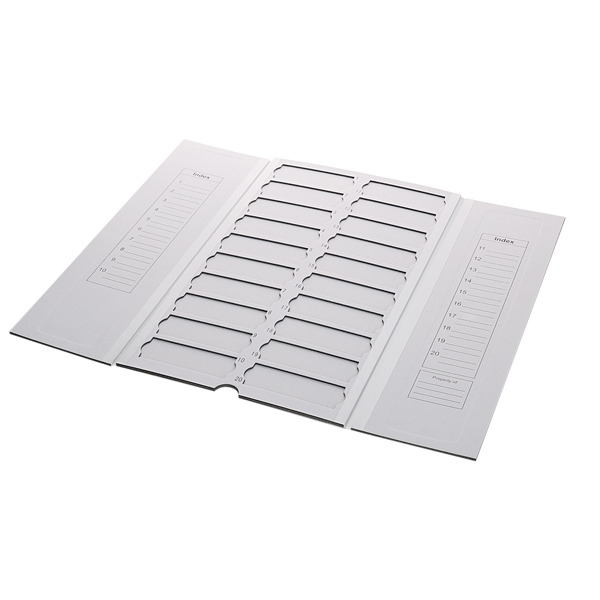
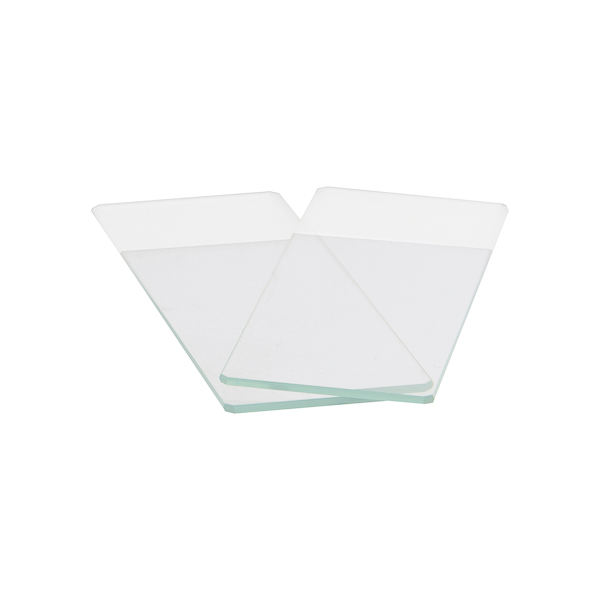
The most economic option for education and for routine applications in veterinary medicine, urine analysis, etc. Made of clear glass – precleaned. Sizes: 75 x 25 mm and thickness 1,0-1,2 mm. Packed in carton boxes of 50 units with protective paper between each slide and every box protected by a sealed nylon cover (Tropical Pack)
Proteinase K isolated from Tritirachium album is used for protease digestion during DNA and RNA preparation. It is a serine protease that exhibits broad cleavage specificity. With a molecular weight of 28.900 kDa, it cleaves peptide bonds adjacent to the carboxylic group of aliphatic and aromatic amino acids. It is not inactivated by chelating reagents such as EDTA or detergents such as SDS and is active in a wide range of pH (4 – 12,5)
The Kit is designed to collect, and transport saliva specimens containing viruses from patients with signs and symptoms of respiratory infection and subsequent sample processing prior Direct PCR. Saliva sample are collected by spitting inside the collection funnel which has been assembled with the collection tube. Researchers at Yale University developed a saliva-based method for the detection of SARS-CoV-2. The method uses proteinase K, followed by a heat step to make viral RNA detectable in a saliva sample instead of using kits to extract the RNA. It includes the PK solution (containing proteinase K) that has been specifically formulated to be used following the open-source protocol developed by Yales researchers and obtain PCR-ready nucleic acids from saliva
Designed for the rapid purification of viral RNA from cell-free samples such as serum, plasma, urine, cell free body fluids, cell culture supernatants and rinse liquid from swabs samples. Viral RNA molecules bind to the silica-based media and impurities such as proteins and nucleases are removed by thorough washing with Wash Buffer. The RNA is then eluted in sterile, RNase free water. The isolated Viral RNA is ready-to-use and should be stored at -70°C. The procedure can be used for isolation of viral RNA from a broad range of viruses. However, performance cannot be guaranteed for every virus species and must be validated by the customer. The amount of purified viral RNA depends on the sample type, the virus titer, sample source, transport, storage, and age. The Kit also includes carrier RNA that improves binding and recovery of low-concentrated viral RNA
Reliable, easy-to-use and rapid method for high-quality genomic DNA purification from various sources, including: whole blood, buffy coat or cultured cells. The procedure includes: lysis, protein removal, DNA precipitation, washing and hydration
This purification kit provides an accurate, easy-to use and rapid method to isolate high quality DNA from both Gram negative and Gram positive bacteria. The kit uses breakthrough technology based in the ability to bind silica in the presence of high concentrations of chaotropic salts as guanidinium thiocyanate. The extraction process uses comfortable MiniSpin Columns and includes an initial cell-wall lysis step with the appropriate enzyme to ensure efficient cell lysis and DNA release from the cell
Reliable, easy and rapid Mini Spin Kit for the purification of high-quality DNA from human and animal sample saliva. The kit is based in the DNA ability to bind silica in the presence of high concentrations of chaotropic salts